How Often Children Should Be Monitored During Myopia Treatment
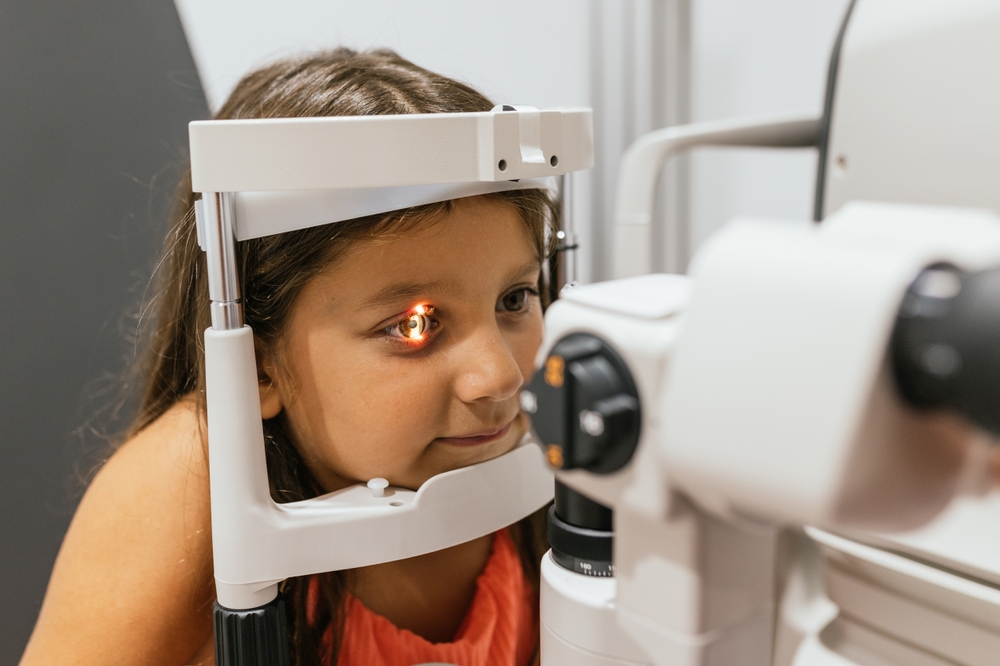
Myopia, or nearsightedness, often begins in childhood and can progress as the eyes continue to grow. During myopia treatment, regular monitoring helps us understand whether a child’s vision is changing, how well treatment is working, and whether adjustments are needed. At Coyote Optical Vision Source, we take a proactive approach to children’s eye care so families have clear guidance at each stage.
Why Monitoring Matters During Myopia Treatment
Myopia treatment is not a one-time visit. Children’s eyes can change quickly, especially during growth years, and even small prescription changes can affect school performance, sports, reading, and daily comfort.
Routine follow-up visits allow us to track vision changes over time and look at how the eye is responding to treatment. This helps us make informed recommendations rather than waiting until symptoms become more noticeable.
How Often Should Children Come In?
In many cases, children in myopia treatment should be monitored about every 3 to 6 months. The exact schedule depends on the child’s age, prescription, rate of progression, treatment type, and overall eye health.
Some children may need closer follow-up when treatment first begins. Once their vision is more stable, visits may be spaced out while still keeping a consistent monitoring schedule.
What We Check During Follow-Up Visits
During myopia monitoring visits, we look at more than whether a child can see clearly through their current lenses. We evaluate how their eyes are developing and whether their treatment plan is still appropriate.
A follow-up visit may include:
- Checking the child’s current prescription
- Reviewing changes in distance vision
- Discussing comfort, clarity, and daily habits
- Evaluating how consistently treatment is being used
- Looking for signs that myopia is continuing to progress
- Adjusting the treatment plan when needed
Why Treatment Plans May Need Adjustments
Myopia management is personalized. A treatment plan that works well at one stage may need to be adjusted as a child grows or as their visual demands change.
For example, a child may need a prescription update, a different lens option, or changes to their wearing schedule. Regular monitoring helps us catch these needs early and keep treatment aligned with the child’s vision goals.
Signs Your Child May Need an Earlier Visit
Even with a planned follow-up schedule, parents should reach out sooner if they notice changes. Squinting, sitting closer to screens, frequent headaches, trouble seeing the board at school, or complaints of blurry distance vision may mean the prescription has changed.
Children may not always realize their vision is getting worse, especially if the change happens gradually. That is why parent observations and routine visits both play an important role.
Supporting Healthy Vision Between Visits
In addition to in-office monitoring, daily habits can support a child’s visual comfort. Encouraging outdoor time, taking breaks from prolonged near work, and keeping up with routine eye care can all be helpful parts of a broader myopia management plan.
The goal is not only to help a child see clearly today, but to support healthier vision as they continue to grow.
To schedule a myopia treatment follow-up for your child, contact Coyote Optical Vision Source in Uvalde, TX by calling (830) 351-8900.
Helpful Articles
article_category: products
article_category: psychiatry
article_category: faqs
article_category: cats
article_category: general
article_category: services
article_category: technology
article_category: dogs
article_category: restorative
article_category: vision therapy
article_category: contact lenses
article_category: health
article_category: conditions
article_category: eye surgery co-management
article_category: exotic
article_category: cosmetic
article_category: surgical procedures
article_category: aesthetics
article_category: preventative
article_category: ocular disease management
article_category: eyeglasses
article_category: eye health
article_category: large animal
[]
article_category: psychiatry
article_category: faqs
article_category: cats
article_category: general
article_category: services
article_category: technology
article_category: dogs
article_category: restorative
article_category: vision therapy
article_category: contact lenses
article_category: health
article_category: conditions
article_category: eye surgery co-management
article_category: exotic
article_category: cosmetic
article_category: surgical procedures
article_category: aesthetics
article_category: preventative
article_category: ocular disease management
article_category: eyeglasses
article_category: eye health
article_category: large animal
[]
Flowbite is an open-source library of interactive components built on top of Tailwind CSS including buttons, dropdowns, modals, navbars, and more.
Check out this guide to learn how to get started and start developing websites even faster with components on top of Tailwind CSS.
All Eye Care Services
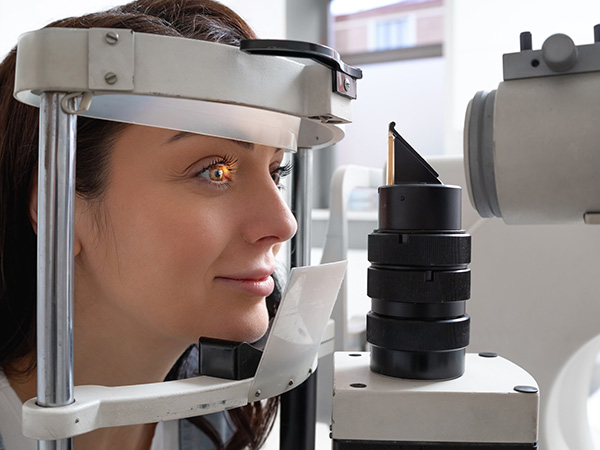
Find personalized eye care excellence with our comprehensive services. From eye exams to advanced diagnostics, trust us for all your vision needs.

Keep In Touch
For non-urgent questions or to learn more about our services, contact us today!
© 2026 Coyote Optical Vision Source. All rights Reserved - Accessibility Statement - Privacy Policy - Sitemap
Managed and Designed by 